What you are really buying
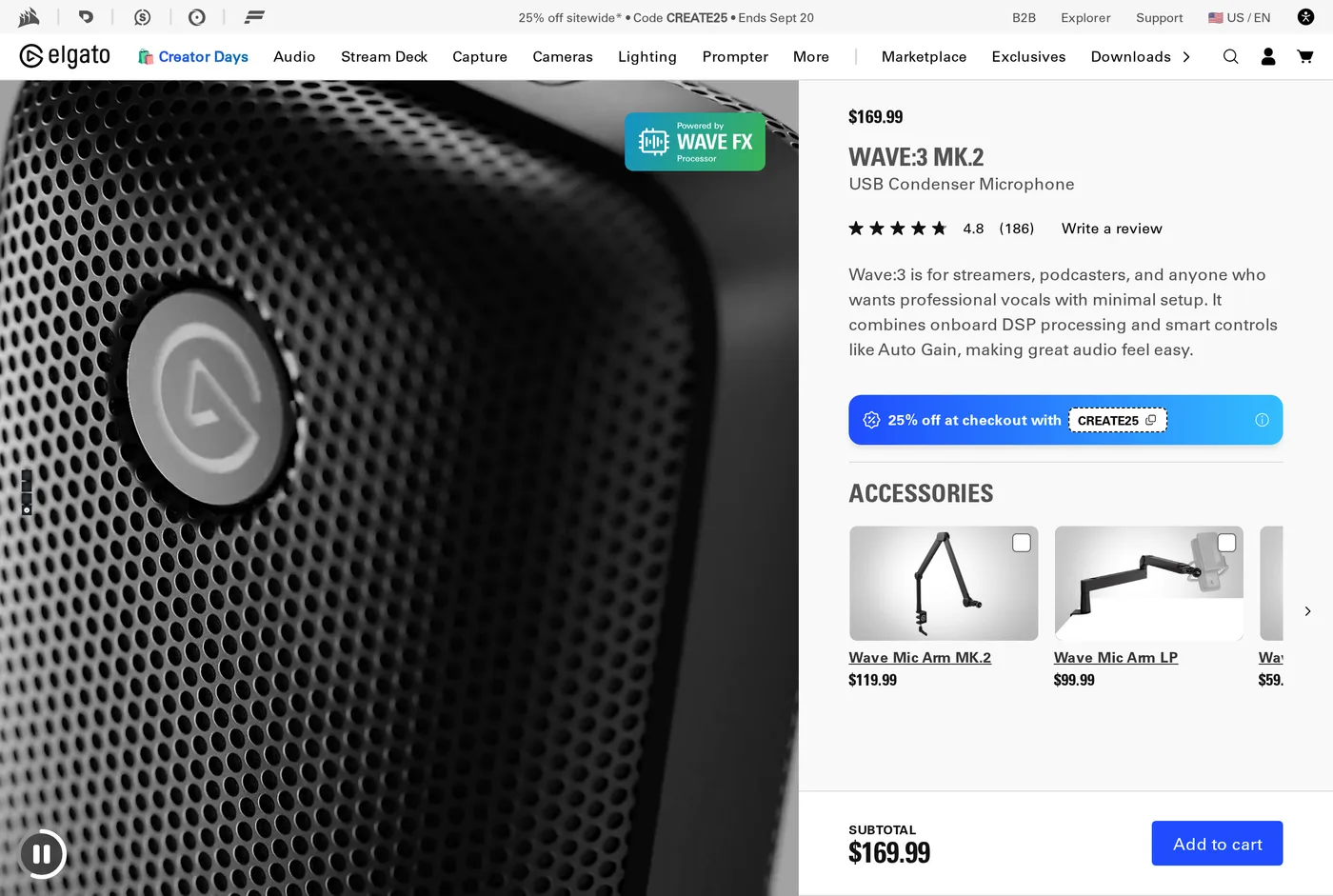
Look at Elgato's own product page and count how much of it describes the microphone versus how much describes Wave Link, their software mixer. That ratio is honest.
The Wave:3 is a perfectly good condenser microphone attached to the best bundled audio software anybody ships. If you need the software, the package is excellent value. If you do not, you are paying for it anyway.
Wave Link, explained for people who are not streamers
Wave Link gives you independent virtual audio channels — your microphone, your browser, your music player, your call application, your game — each with its own fader, and two separate output mixes: one for your headphones and one for what other people hear.
The practical consequences for ordinary work are better than the streaming framing suggests:
Play music while on a call and have it in your ears only.
Keep system notification sounds out of a recording without muting them for yourself.
Drop the volume of a noisy application without touching everything else.
Record a call with each participant's audio on a separate track.
Anyone who has ever fumbled with Windows sound settings mid-meeting will understand the appeal. It is free, it is stable, and it works with two monitors' worth of applications open.
The catch: it requires Elgato hardware. This is deliberate and it is the main strike against the product. You cannot use Wave Link with a Shure or a Røde.
Clipguard
The Wave:3's hardware trick. It runs a second signal path at a much lower gain, and if your main path is about to clip — you laugh, you shout, someone drops something — it seamlessly swaps in the quieter path.
Clipping is unrecoverable distortion. Compression before clipping is nice; a genuine second path is better. For anyone who records themselves and has ever ruined a take by getting excited, this works and it is the best-implemented idea on the microphone.
The capsule
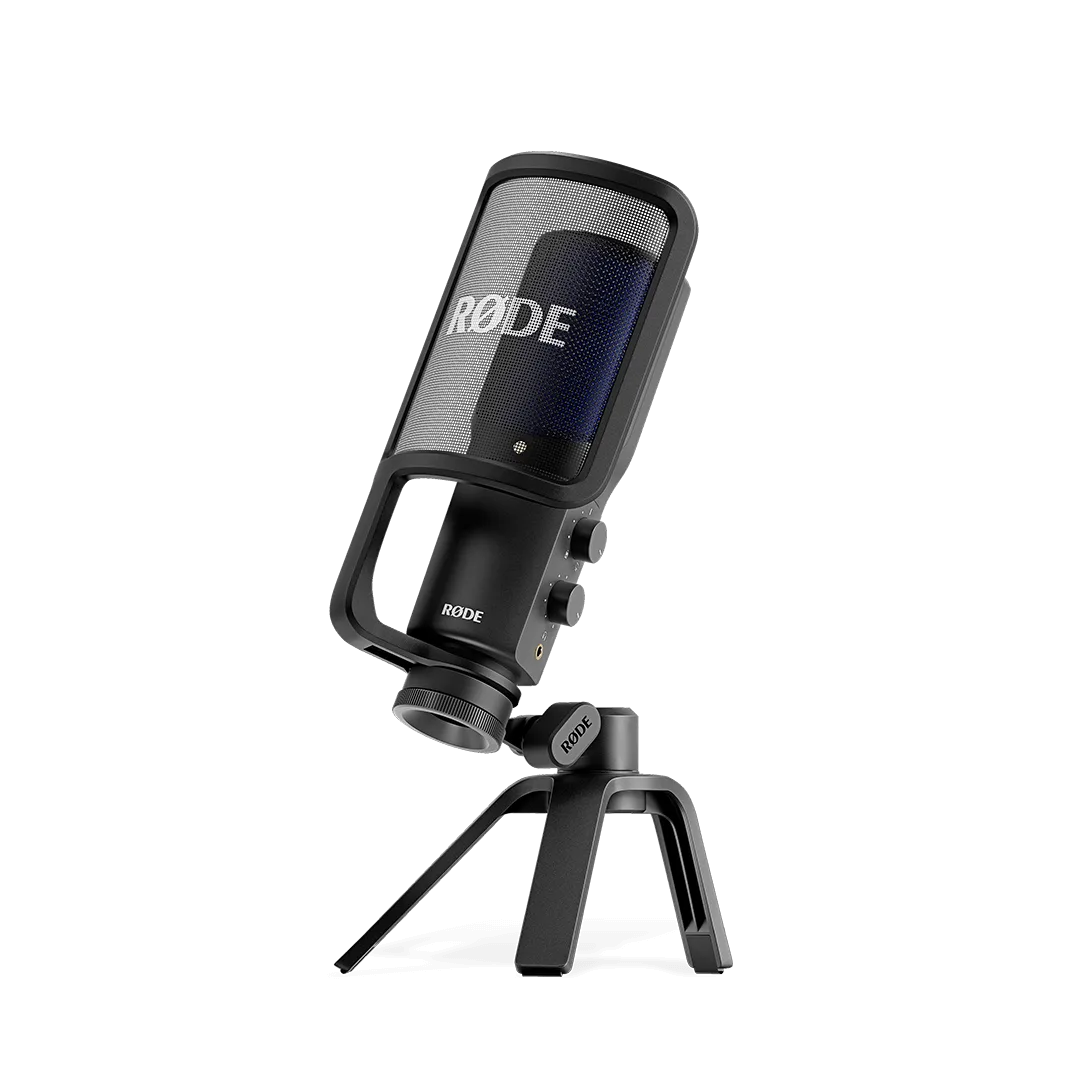
Good. Clear, a touch bright, unremarkable. Set against the Røde NT-USB+ at a similar price, we preferred the Røde on every voice we tried — more natural, less of a lift in the upper mids.
As a condenser, it has the same room sensitivity as every condenser: in a soft room it sounds fine, in a bare room it sounds like the bare room.
Setting up Wave Link without losing an afternoon
The interface presents a lot at once. A sensible starting configuration:
Create channels for your microphone, your browser, your calling application and a "system" channel for everything else. Route all four to the stream mix and to your headphones.
Then make one deliberate difference: drop the system channel out of the stream mix, so notification sounds go to your ears and not into a recording.
Set your microphone level with the software meter, aiming to peak around −12 dB rather than close to zero. Clipguard will save an accident; it should not be your normal operating level.
That configuration takes about ten minutes and covers almost everything a working day needs. The rest of Wave Link's capability can wait until you need it.
Physical
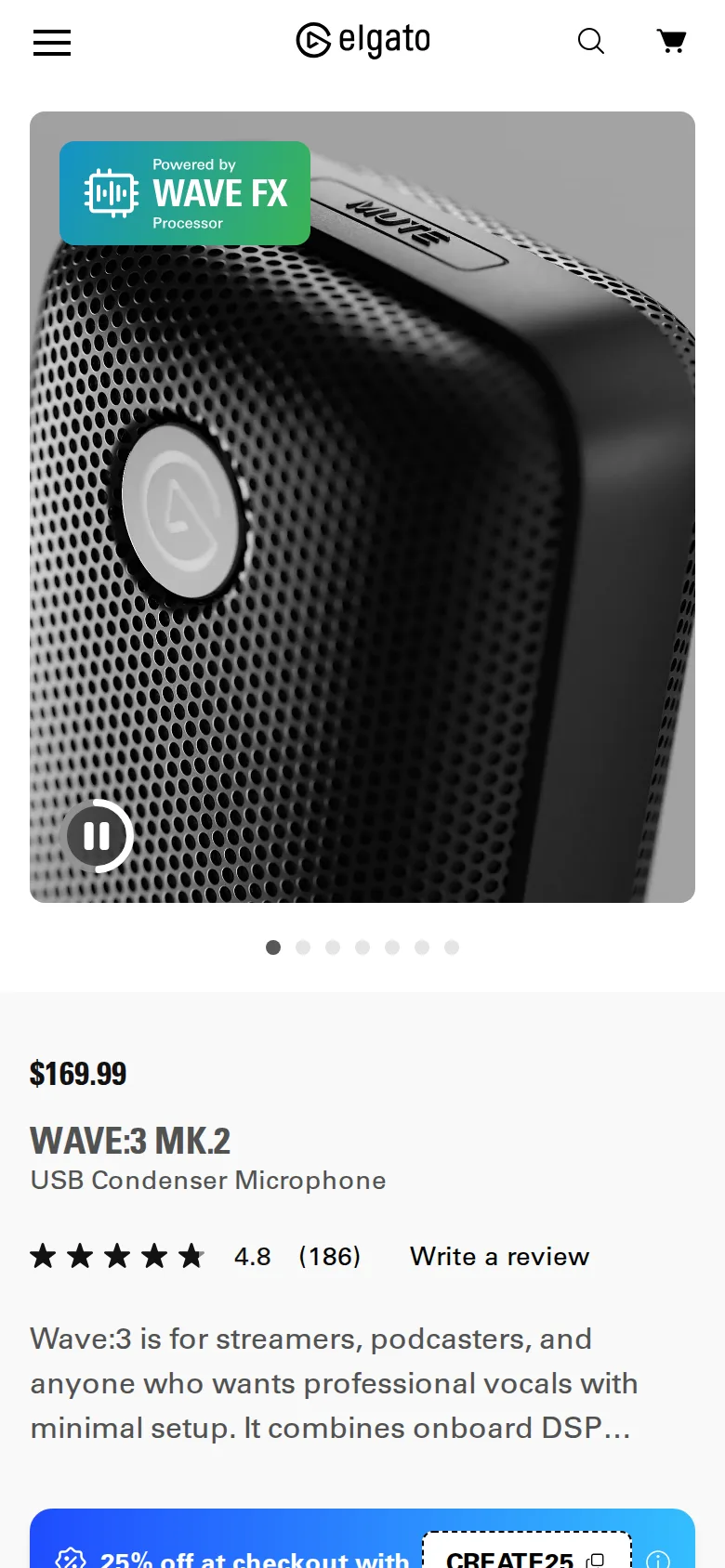
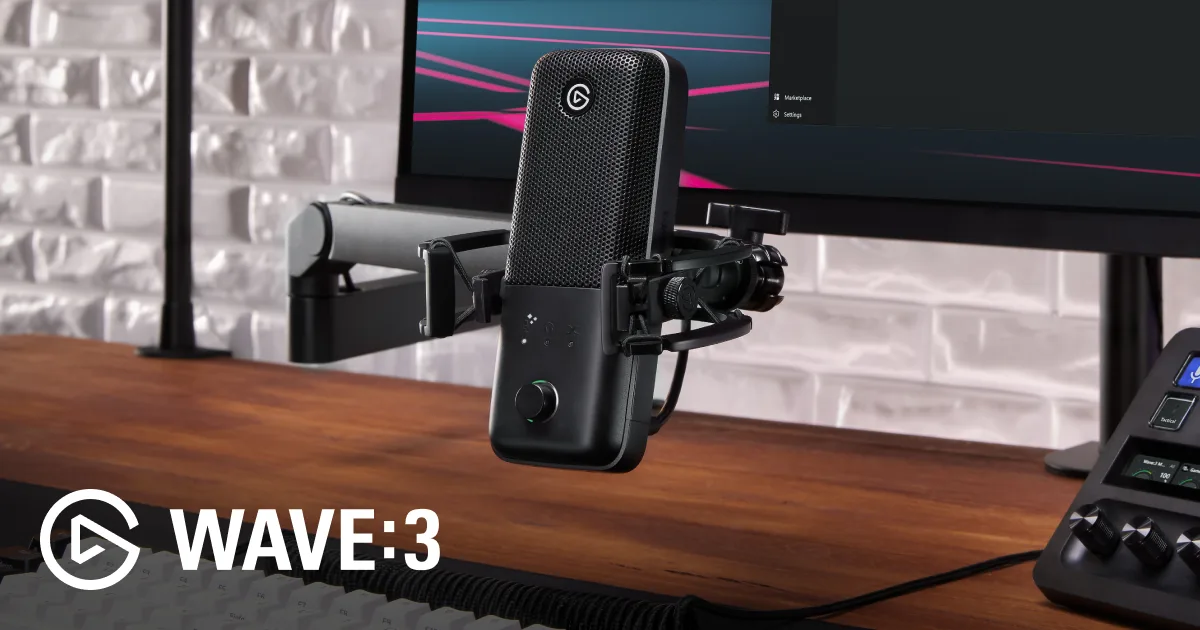
Compact, which matters on a desk that already has a monitor and a keyboard on it. The capacitive mute on the top of the body is excellent — you tap it, it mutes silently, and an LED tells you unambiguously. Physical mute switches click into the recording; this does not.
The included desk stand has the usual problem: it conducts desk vibration straight into the capsule. A boom arm with a shock mount is the fix, and the Wave:3 is light enough that a cheap arm will actually hold it, which is not true of the Shure.
Against the Wave:1 and the XLR question
Elgato sell a cheaper Wave without Clipguard, and the gap between them is smaller than the price difference suggests for anyone who speaks at a consistent level. If you are quiet and even, save the money; if you get animated, Clipguard is the reason to step up.
Neither has an XLR output. That is the structural limitation of this whole family: a Wave is a USB microphone for its entire life, and if you later buy an audio interface it does not come with you. The Shure MV7+ does.
For someone building a setup over years rather than buying one, that matters more than any feature on the product page.
Who should buy it
Someone who records or streams and needs multiple audio sources handled properly, who is happy to be in Elgato's ecosystem.
Someone who just wants to sound good on calls: buy the Røde if the room is soft, the Shure if it is not.
Verdict
7.9. The software is worth a point on its own, and the microphone underneath it is merely competent at a price where competent is not enough.
What holds up
- Clipguard genuinely prevents clipping when you suddenly get loud
- Wave Link is the best free audio mixer bundled with any microphone
- Capacitive mute on the top of the body — silent, instant, obvious
- Compact enough to sit on a desk without dominating it
What wears thin
- Condenser in a hard room has the same problems as any condenser
- Wave Link only works with Elgato hardware — this is deliberate lock-in
- Included desk stand transmits desk noise, like every included desk stand
- The capsule is good, not exceptional, at this price