The honest framing
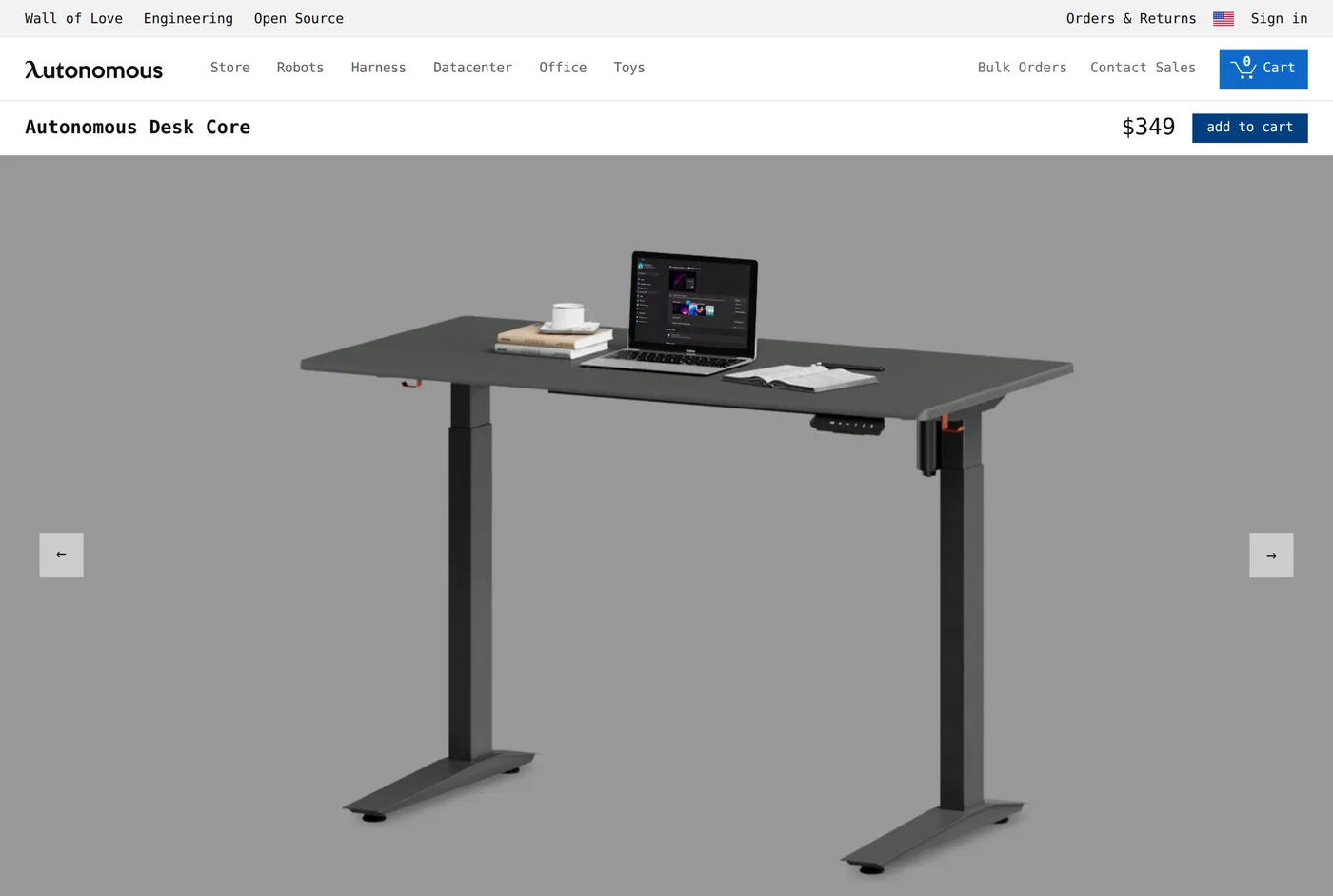
There is a floor below which an electric sit-stand desk cannot be built without cutting something real. The Desk Core sits just above it. At $349 it is a working desk with two motors, a memory controller, a usable surface and a warranty, and that is not nothing — five years ago the same money bought a manual crank frame and no top.
So this review is not about whether it works. It is about what was cut.
What was cut
The warranty. Two years on the frame. Uplift offers fifteen on its desktops and supports frames far longer; Desky and Vari sit between. Two years is the single clearest statement of how long Autonomous expects this desk to be someone's problem.
The top. It is particle board with a laminate surface, and it behaves like it. Flat, fine to work on, and fragile at the edges — the first knock from a chair arm took a small chip out of ours. More importantly, the threaded inserts are into board rather than into anything structural, which means the desk survives one disassembly and reassembly and possibly not two. If you move house often, this is the wrong desk.
Frame rigidity. At the lowest sitting height it is rock solid. Raise it to standing and push the front edge and it sways more than an Uplift, and then it keeps moving for a beat longer. With a single monitor and a laptop it is unremarkable. With two 27" monitors on an arm and a mechanical keyboard you will notice it when you type hard.
What was not cut
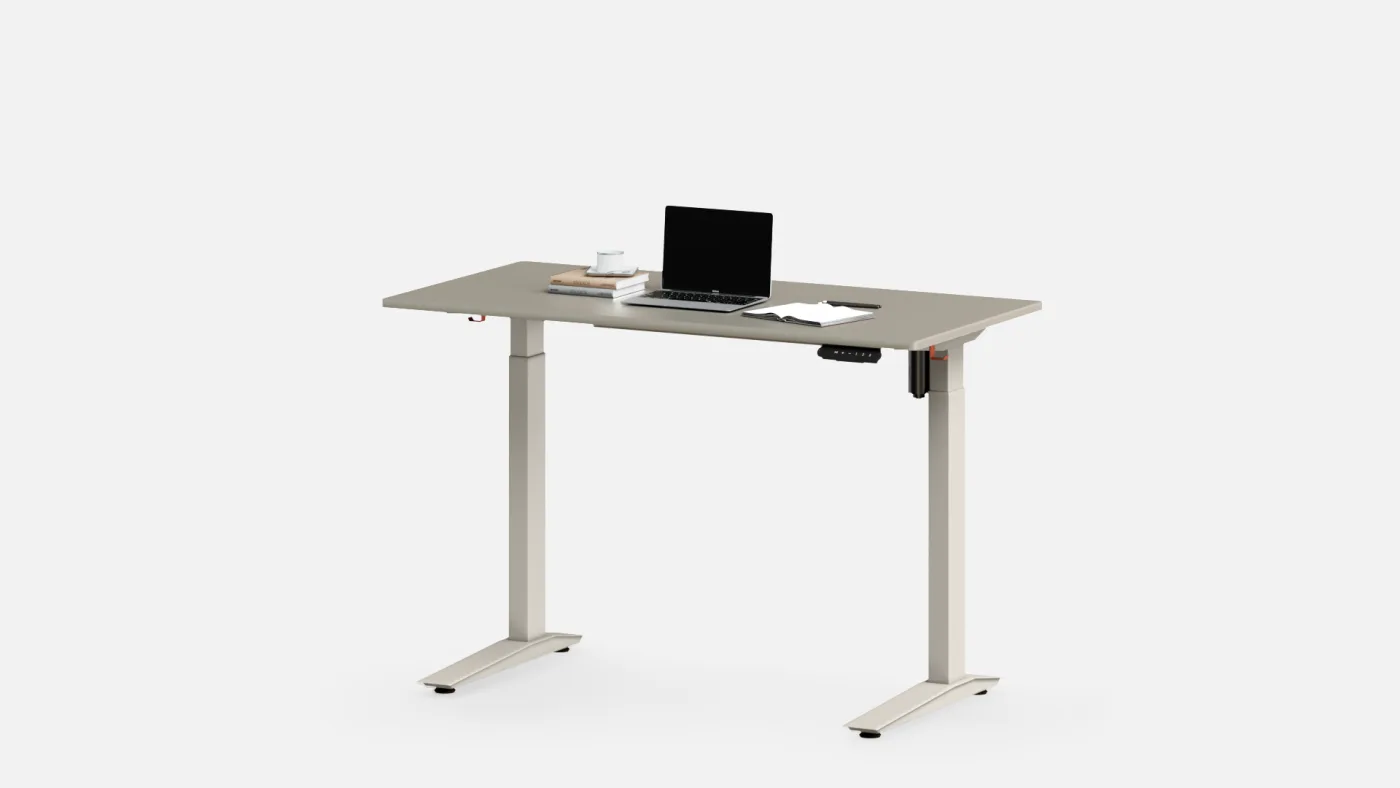
Cable management is better than it has any right to be at this price: a channel runs the length of the frame and the power cable exits neatly rather than dangling from the motor housing. Autonomous have clearly decided this is a visible feature and spent money on it.
The controller does four presets and moves the desk at roughly an inch a second. Noise is unremarkable — audible, not intrusive, and no worse than desks costing twice as much.
The powder-coated finish has held up through several weeks of daily use with no marks.
Building it
Around fifty minutes for one person, with a short section in the middle where a second pair of hands helps. The instructions are diagrams only — no words — which is fine until you reach the step where two similar brackets differ by 10 mm and the drawing does not make clear which is which. Lay the parts out and count the holes before you pick up the driver.
Everything needed is in the box, including a hex key that is adequate rather than good. If you own a driver with a hex bit, use that; the supplied key will make your hand ache by the last eight screws.
The top attaches with screws into threaded inserts on our unit, which is better than the wood screws we expected at this price and is the main reason we would say it survives one house move.
A note on the review score on their own page
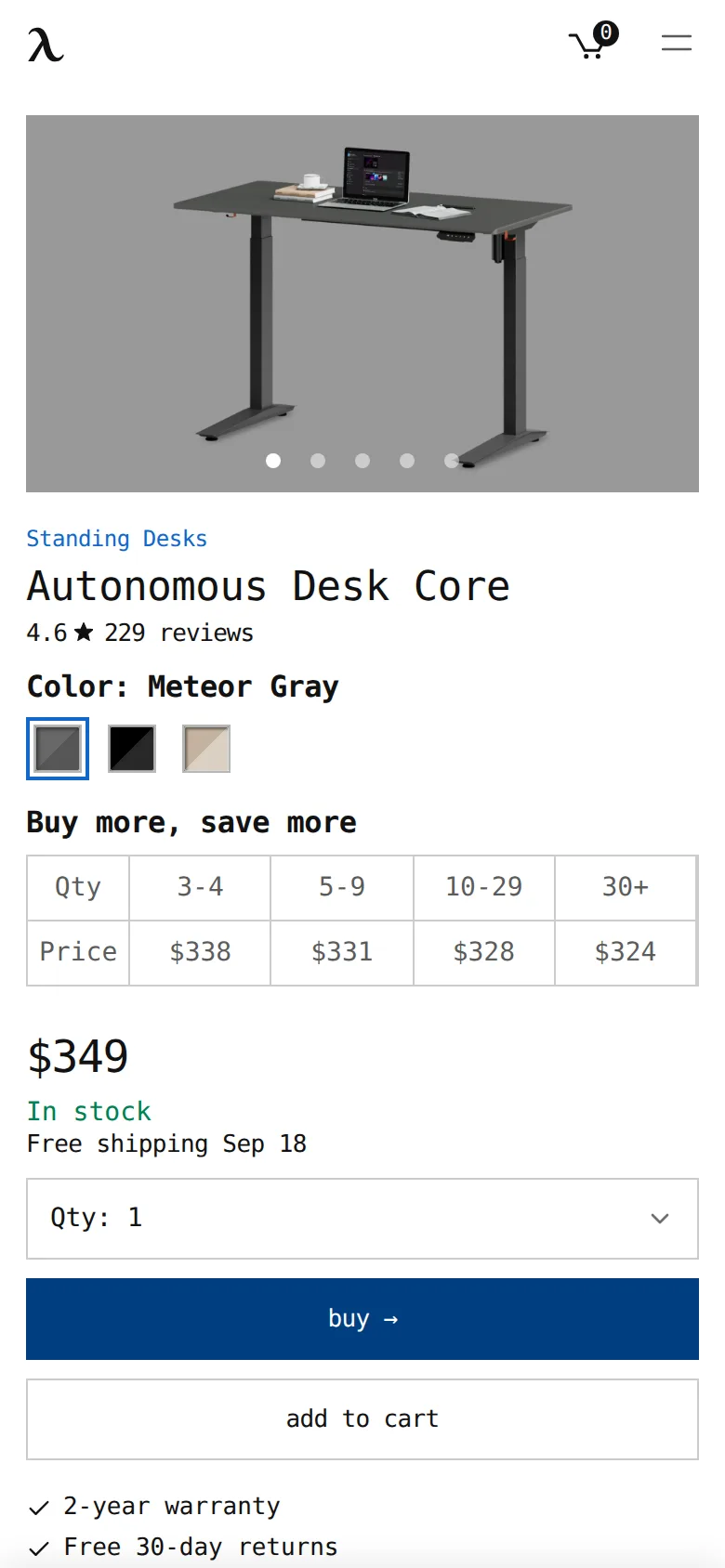
The product page shows a rating a little above 4.5 from a couple of hundred reviews, with a visible cluster of one-star entries. Reading those, the pattern is consistent and worth knowing: most concern delivery damage to the desktop rather than the frame or the motors.
That matches our expectation for a particle-board top shipped flat-packed. Inspect the top before you build, not after — a chipped corner is a replacement claim on day one and a shrug on day ten.
The quantity discount
This is the most interesting thing about the Desk Core and it is buried in a table. Three desks drop the unit price to $338, five to $331, ten to $328, thirty or more to $324. For a small studio kitting out a room, that is a materially different proposition to buying three Uplifts, and the compromises above matter much less when the desk is one of a set that will be replaced together.
Against the alternative
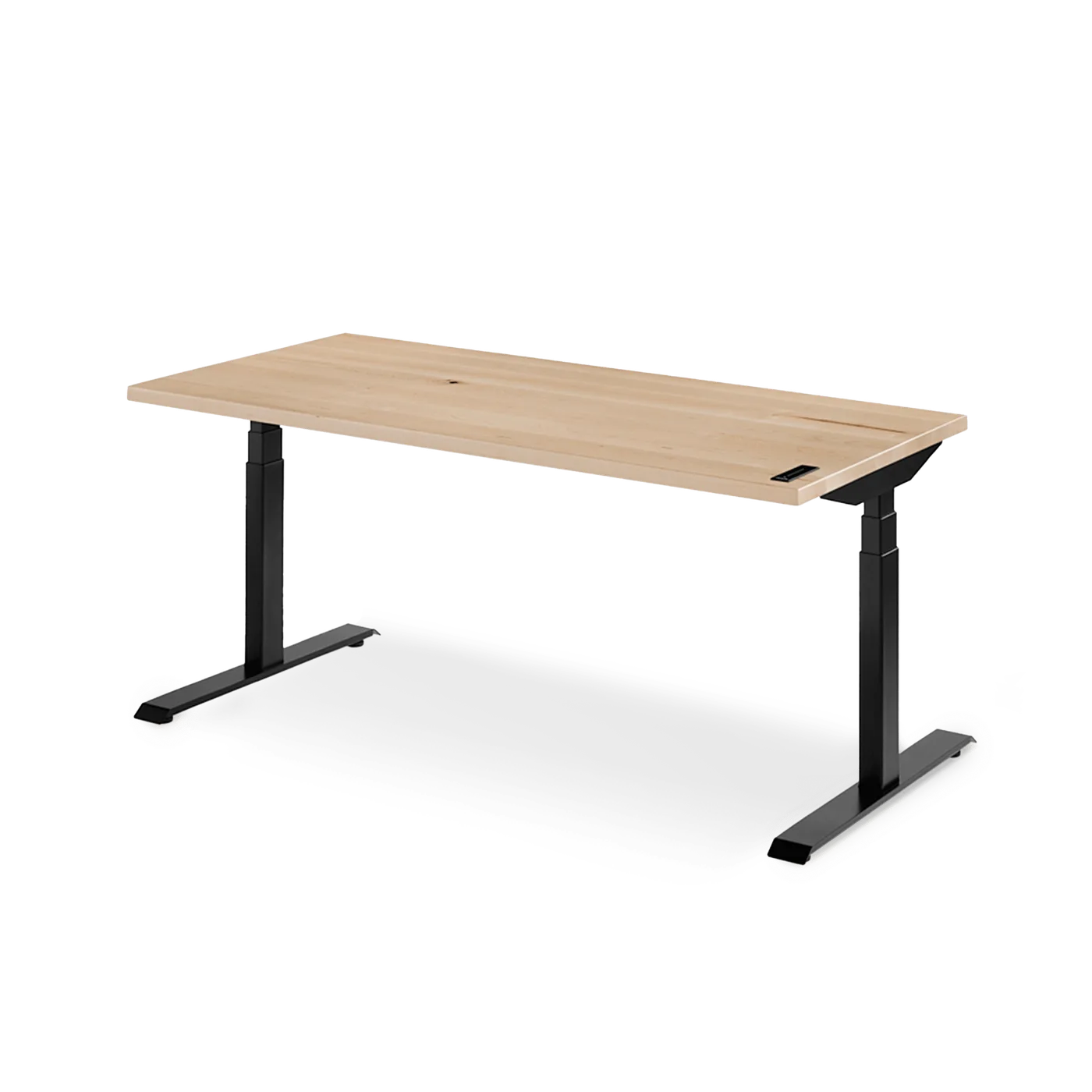
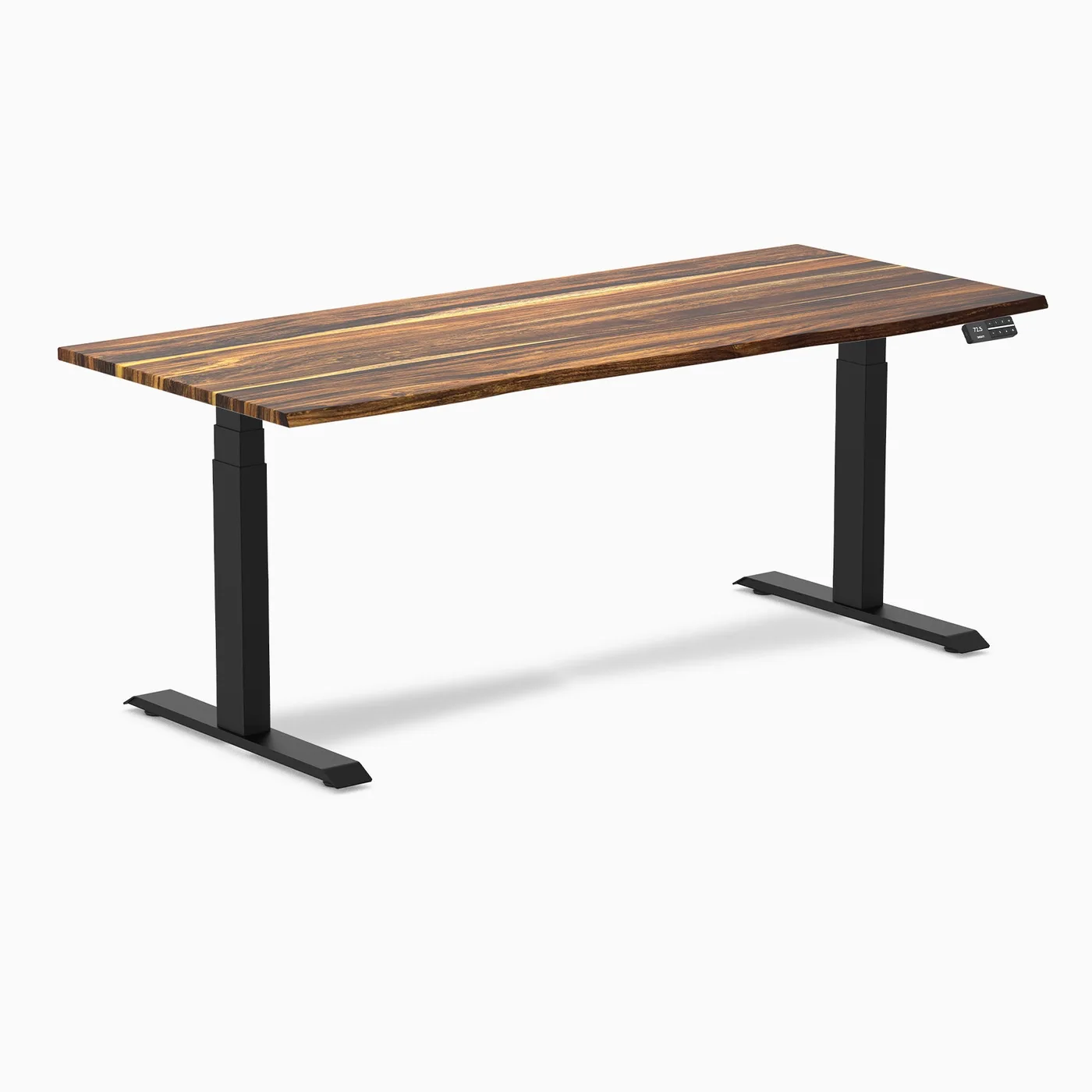
The comparison to make is with a used or refurbished frame from a better maker plus a plywood top from a timber merchant. That route costs about the same and gives you a better frame and a better surface, at the cost of an afternoon and some uncertainty.
If that sounds like a project rather than a purchase, buy the Desk Core. If it sounds like a Saturday, do that instead.
Verdict
A 7.4 means good with better answers nearby, and that is exactly right here. The Desk Core does what it says for less than anything else we would be willing to recommend, and it makes no case at all for being a ten-year desk. Buy it knowing which of those two things you want.
What holds up
- $349 for a working dual-height electric desk is a genuinely low bar to clear
- Bulk pricing down to $324 makes it sensible for small teams
- Cable routing through the frame is better than the price suggests
- Free 30-day returns
What wears thin
- Two-year frame warranty against Uplift's fifteen
- Particle-board top with a thin surface layer — it will not survive being moved twice
- More sway at full height than the better frames, and it settles more slowly
- The top's edge finish is the first thing to chip